


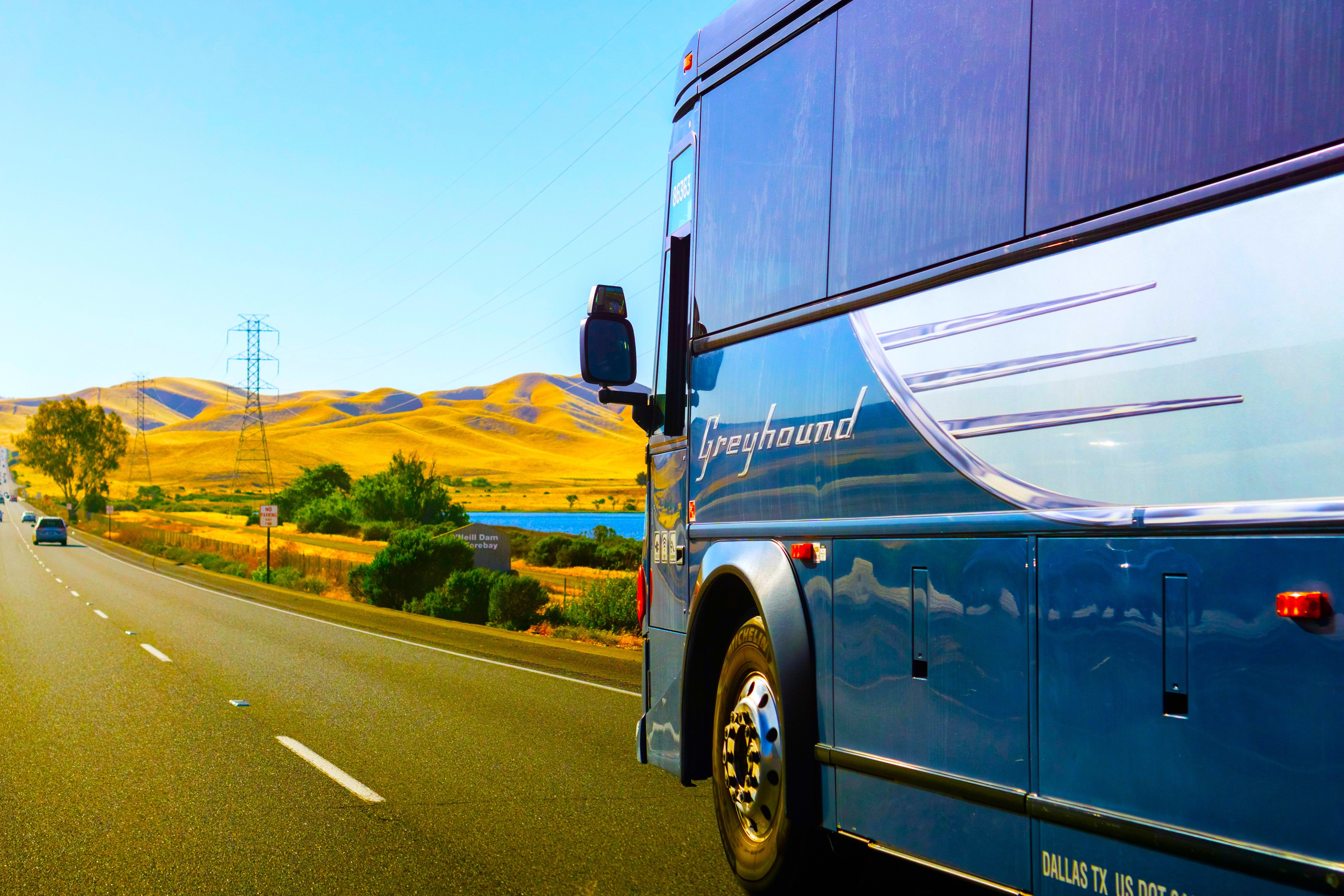
For over a decade, Greyhound bus routes have facilitated intercity travel across the United States. Though these trips weren’t always luxurious, American travelers without access to a car or a nearby airport could depend on them. In recent years, that sense of reliability has been disrupted multiple times. In mid-January, Northeast Oregon Public Transportation shared in a Facebook post that Greyhound would be discontinuing bus service from Portland, Oregon, to Boise, Idaho. And just a month later, another popular route was removed without warning.
In February this year, Greyhound quietly discontinued its route between Savannah, Georgia, and Charleston, South Carolina, making a once straightforward trip far more complicated. After the route’s disappearance, passengers have turned to online forums to voice their frustrations. Others who relied on this particular bus service have even urged Greyhound to reinstate it. One petition, launched in February, shows just how frustrated riders are after being left with fewer travel options and little explanation.

Related
Riders Want This Greyhound Route To Make A Comeback

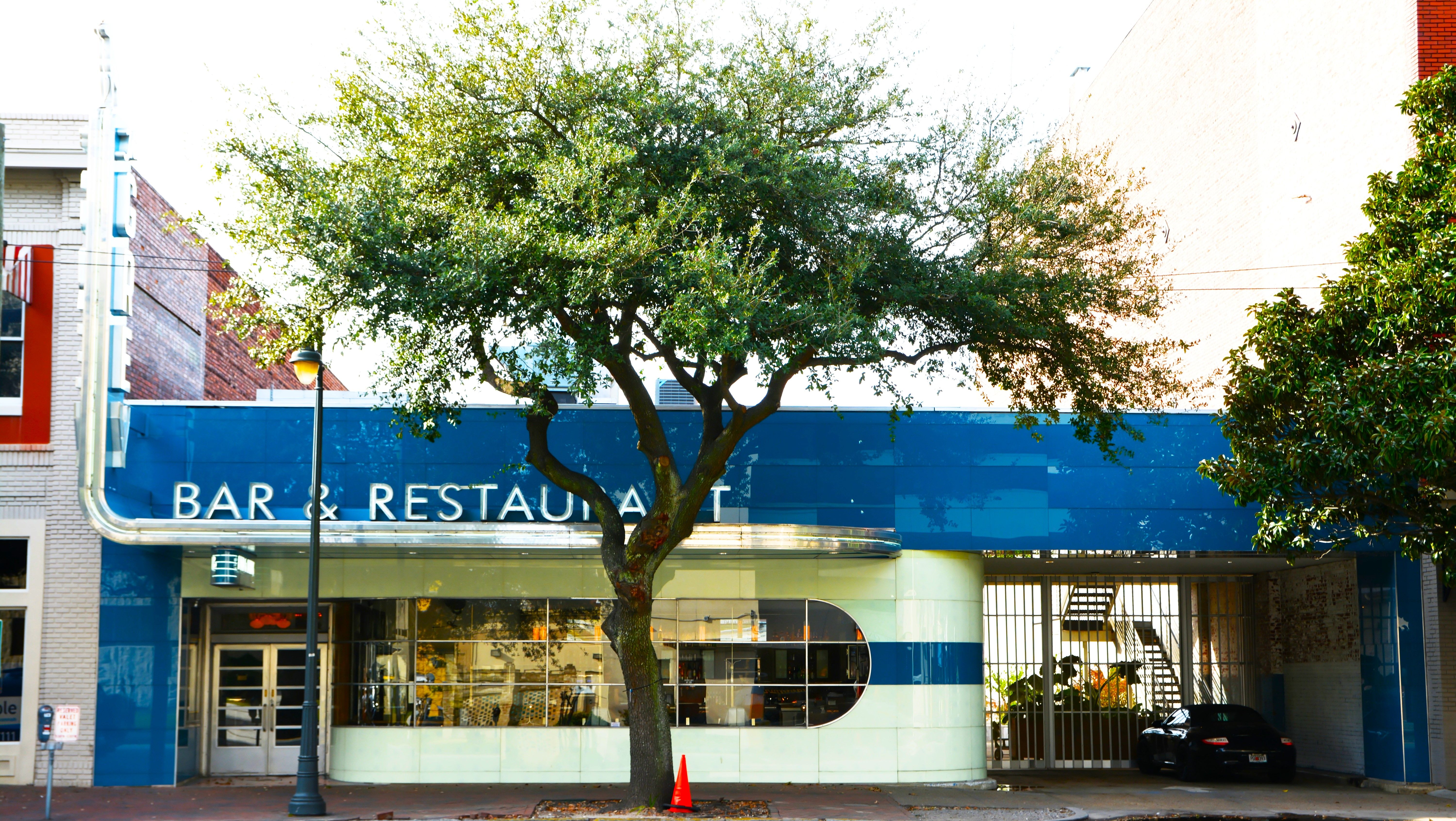
The old former Atlantic Greyhound Bus Station in Savanna, Georgia, GA, USA
After Greyhound quietly removed its Savannah to Charleston route from the schedule, one frequent rider, Nick Witte, decided to take action. He launched a Change.org petition in February, saying that regular passengers were left with no explanation and no clear alternative. Witte also emphasized that this was more than a minor inconvenience. The route was essential for commuters without access to a car, and he urged Greyhound to reinstate it.
“I, like many others, have found myself severely affected by the discontinuation of the Savannah to Charleston Greyhound Bus route. I travel frequently for work and to visit my significant other, but since the bus line has been cut, the inconvenience has been overwhelming. The discontinuation of this vital bus service is more than just a disappointment. It is a fundamental disruption to the lives of many. I urge all who have been or could be affected by this to join the call in asking Greyhound to reinstate the Savannah to Charleston route. Please sign our petition,” said Witte.
If locals and travelers alike are dependent upon this particular bus route, why was it discontinued in the first place? The answer likely stems from a growing trend among bus companies in the United States.
According to a 2024 Business Insider video, the intercity bus travel industry has faced many financial challenges in recent years. For example, travelers were more incentivized to drive and fly as gas prices became more affordable during the 2010s. At the same time, new competitors like FlixBus entered the market in 2018, offering even lower fares than companies like Greyhound and Megabus.
Additionally, while airlines received federal aid during the COVID-19 pandemic, bus companies were excluded from these relief efforts. With limited funds, many bus terminals have also developed a reputation for being unsafe and poorly maintained. In fact, according to Business Insider, 33 Greyhound stations across the country were sold to a commercial real estate investment firm that likely prioritizes earnings over customer experience.

Related
America’s Most Beautiful Greyhound Bus Stations Are Also Its Most Underrated
Bus stations are often viewed as purely functional spaces, but these four challenge that perception.
Why Travelers Say Greyhound Bus Alternatives Are Not Enough

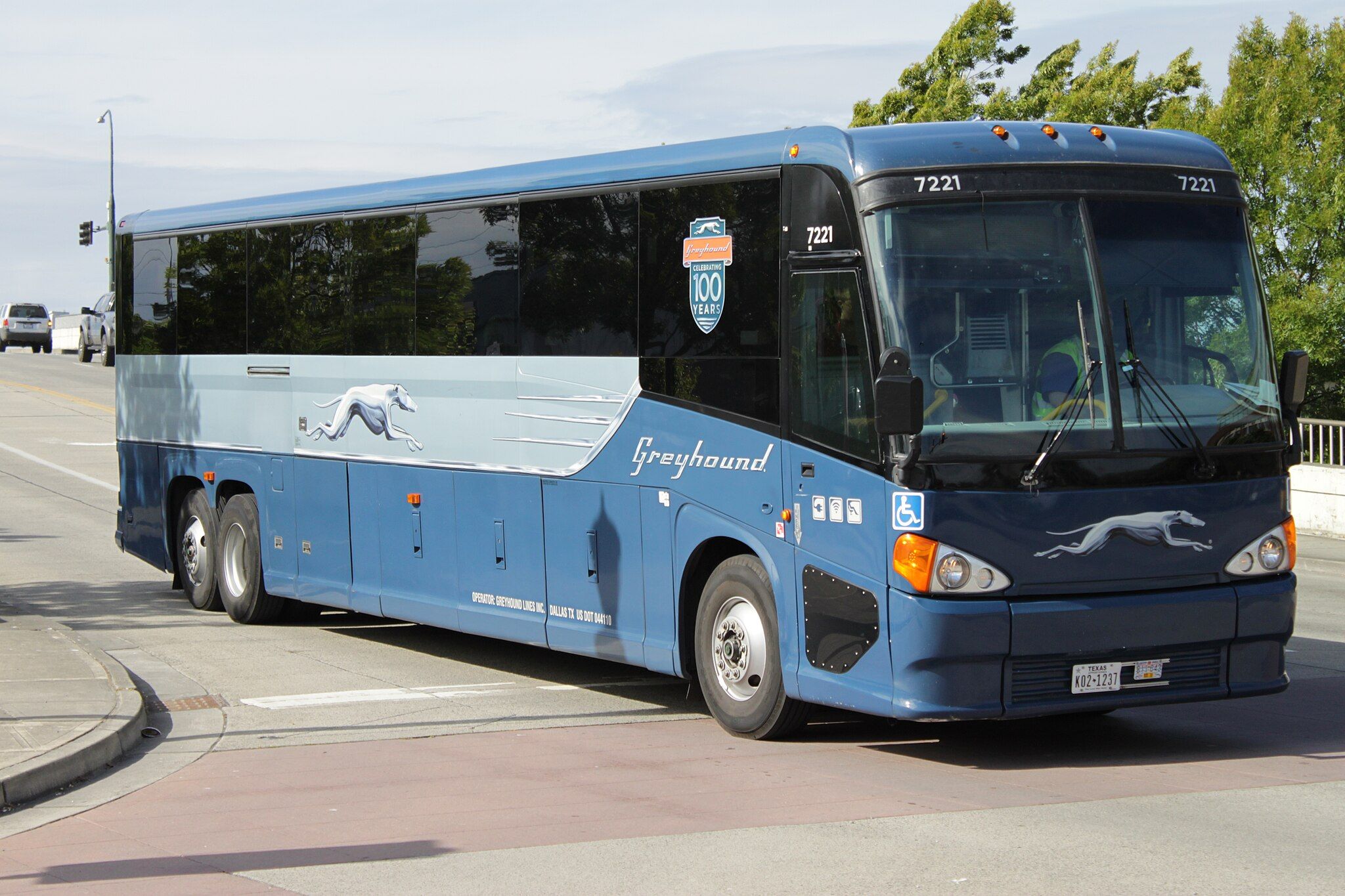
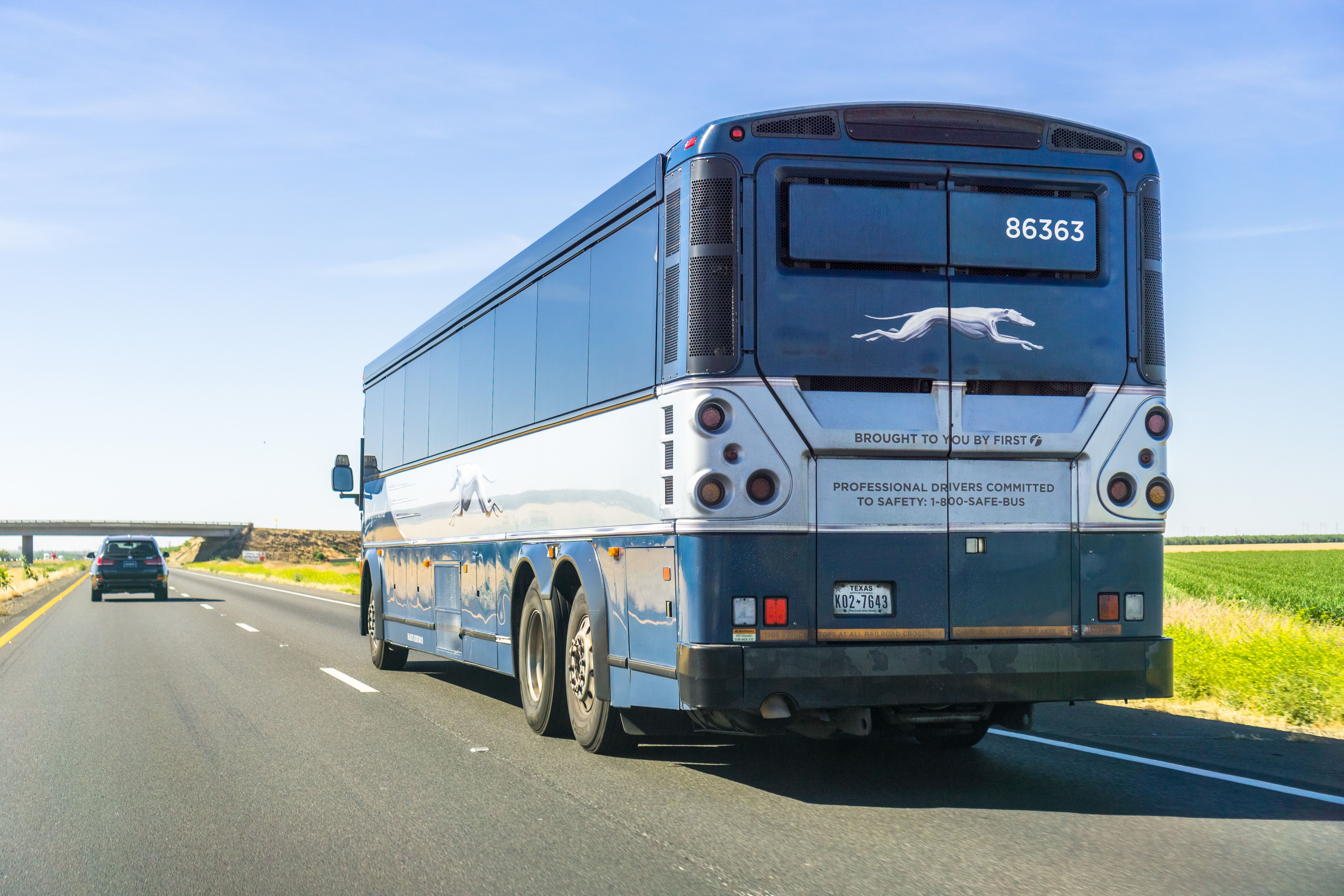
A Greyhound bus in operation.
For many travelers, Amtrak became the only practical alternative to Greyhound. However, Witte said the train schedule doesn’t offer the same flexibility the bus once did. He noted that the limited departure times make it difficult for those who need to travel at midday. And, with only early morning and evening trains available, travelers will likely have to rearrange their plans to fit Amtrak’s limited schedule. This lack of options makes spontaneous travel difficult, especially for those hoping to explore the cities at their own pace.
“The only alternative is the Amtrak service, which runs at either 7 a.m. or 7 p.m., instead of the former bus schedule, which allowed for departures at 11:50 a.m. or 3:00 p.m.,” Witte explained.
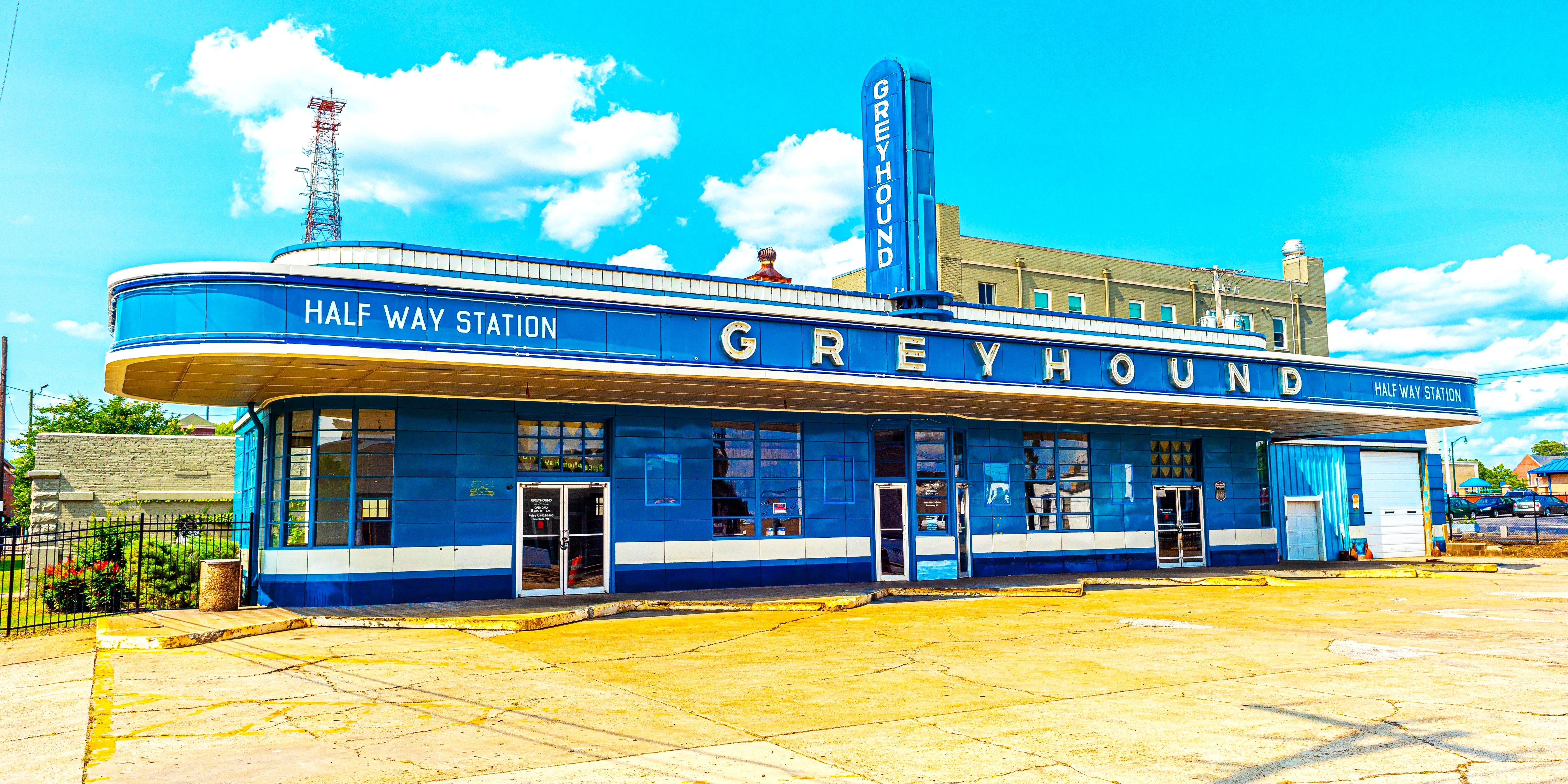
Another option for traveling between Charleston and Savannah, the location of the most beautiful and historic Greyhound station, is to use a rideshare service. While these services are technically available, according to a study conducted by Uber, the cost of a one-way trip between the two cities is around $150, which is unrealistic for most people.
In search of travel options beyond the bus, frustrated travelers have turned to online forums for help. In a post on the r/Charleston subreddit, user deker0 asked about alternatives after learning that both Amtrak and Greyhound were suspended at the time. One commenter recommended that the original poster use a rideshare service, while another suggested that renting a car would probably be more practical.
With so few affordable travel options, many people are now hoping for more accessible and flexible ways to make the trip from Charleston to Savannah.

Related
These Are Greyhound’s Best Bus Routes In America For Scenic Views
These bus routes offer some of the most beautiful views in the United States.
Will Greyhound Fully Restore Bus Service Between Charleston And Savannah?
More recently, a new bus between Charleston and Savannah appeared. The Greyhound website now lists a once-a-day service between the two cities operated by FlixBus. FlixMobility, which announced its acquisition of Greyhound in a 2021 press release, is a German-owned intercity bus company known for its budget-friendly fares and growing U.S. presence.
One YouTuber, Tom Thornton, recently posted a video comparing a traditional Greyhound bus trip to a FlixBus-operated one. Even though the two are now technically under the same parent company, Thornton points out that the rider experience can be noticeably different, especially in terms of cleanliness, boarding, and overall consistency. The video highlights the fact that FlixBus and Greyhound, while connected on paper, don’t always feel like the same company. It raises a bigger question of whether the elimination of Greyhound-branded buses in Charleston and Savannah was part of a bigger plan to improve the service altogether.
Though the new FlixBus service reintroduces a midday option, the limited frequency doesn’t make travel much easier for those without a car, especially if delays or cancellations occur. The company has also not made a statement about whether the current FlixBus trip is a permanent solution or just temporary. For now, travelers are hoping that this once-reliable route won’t continue as just a single daily bus.
link