How Travel Trends are Shaping Retail | Affiliate Links
The way in which we travel is changing.
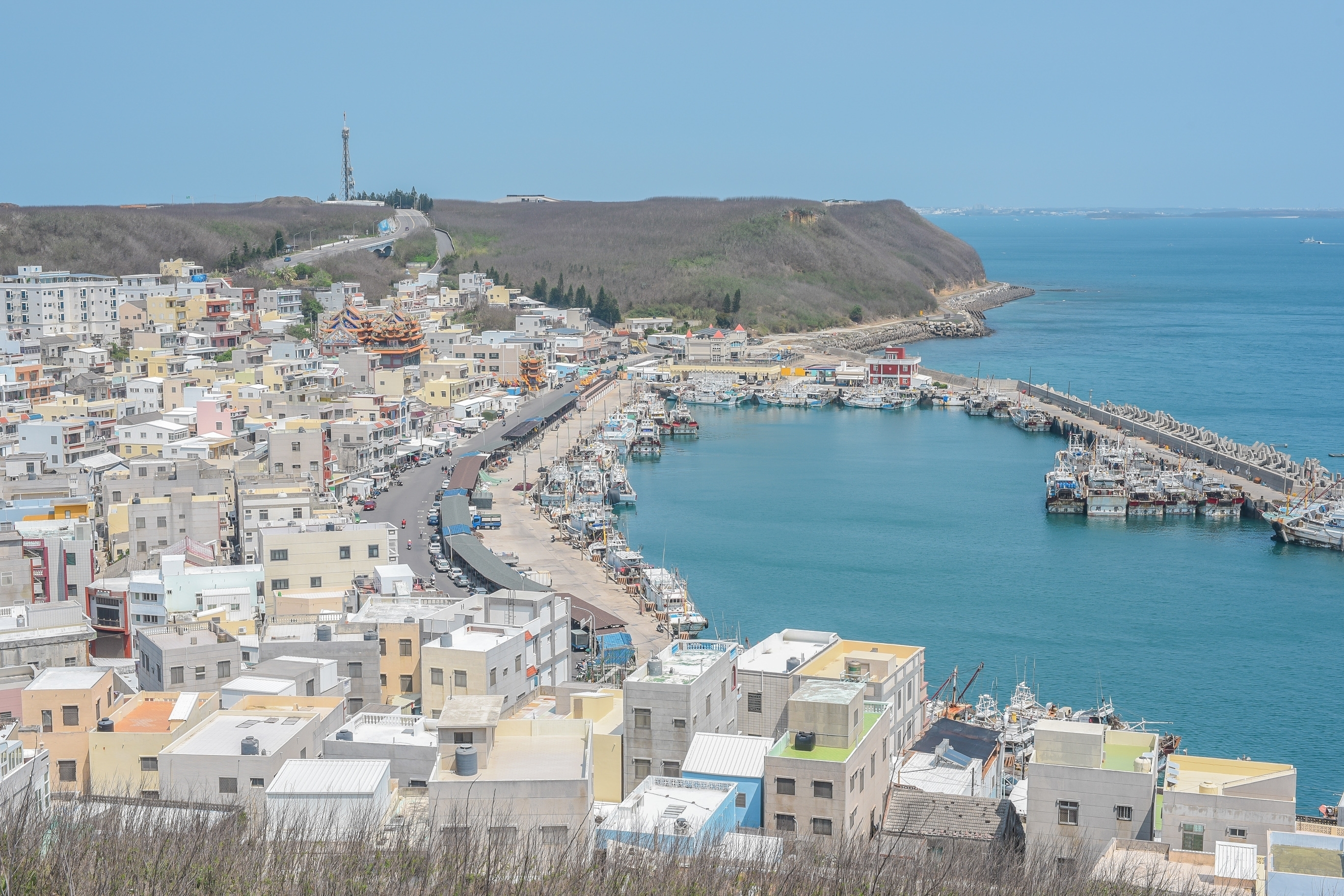
Firstly, wanderlust appears to be on the rise, with 66% of people being more interested in travel now than they were before the pandemic. This means that people are booking more holidays than ever before, from solo adventures to long-haul group trips. However, studies suggest that we are also a little pickier when traveling. For example, many people now favor authentic local and cultural experiences over tourist hotspots, while others want to focus on sustainable travel.
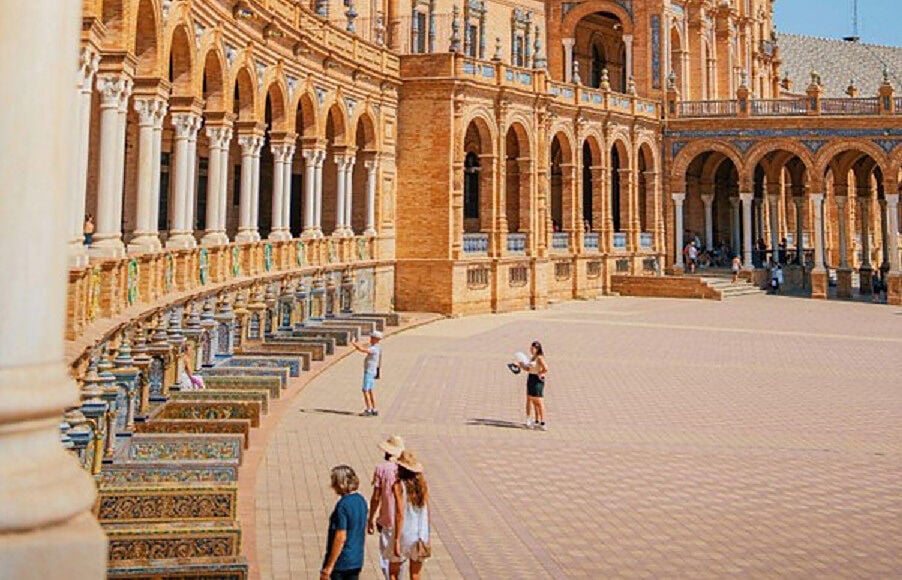

Photo by Tânia Mousinho on Unsplash
Photo byTânia Mousinho on Unsplash
Either way, these shifts in traveler behaviors are having a knock-on effect on various industries, including the world of retail. Read on to find out how!
Travel Trend: The Holiday Starts at the Airport.
According to a recent study, one in five people believe that their holiday begins at the airport. This means that airport spending, at retailers such as bars and restaurants, and duty-free, has increased quite significantly as they enter “holiday mode” as soon as they have passed through security.
This has encouraged a wider range of retailers to rent out spaces at airports to capitalize on this spending. Some airports are now even considered must-visit tourist destinations within their own right, rather than a place to go from A to B. For example, Singapore Changi Airport is renowned for its shopping mall and stunning indoor waterfall.
Travel Trend: Group Tours are Rising in Popularity.
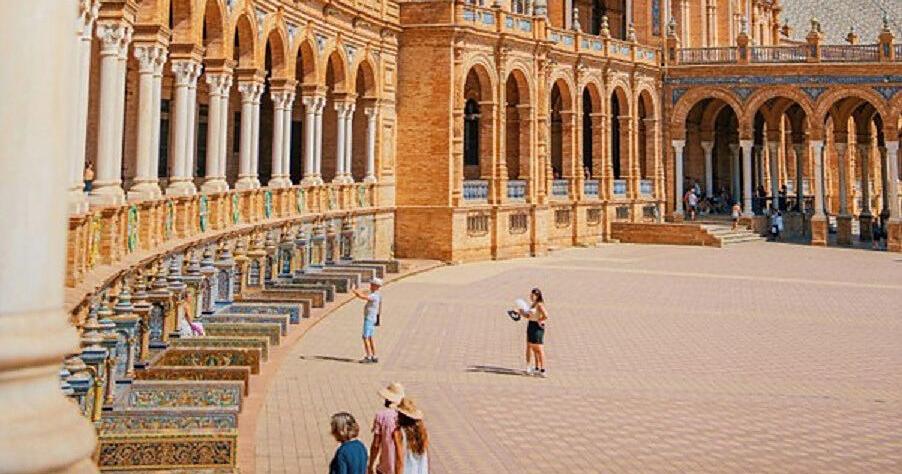
Studies have also shown that guided tours are growing in popularity year on year. This is likely because they allow participants to fully immerse themselves in the local culture, straying a little further from the beaten path than they would on a traditional all-inclusive trip. For example, a 2-week guided tour through Spain allows participants to soak up sunshine while visiting the country’s most iconic sights and cities. And, it requires very little effort on their part.
Group trips are particularly popular among solo travelers, which is a market that is scarcely catered to. This means that companies focusing on this demographic could become profitable relatively quickly.
The growing popularity of group tours and excursions is having a positive impact on local retailers, especially when group tours are traveling outside of major tourist hotspots. This is because they will enjoy a much higher demand for their products and services, whether they sell food and drink or clothing.
Travel Trend: Traveling on a Budget.
While people’s desire to travel is growing, they typically want to spend less money overall. The rise in budget-conscious travel is impacting the global retail market, especially in popular tourist destinations.
This is perhaps most obvious when we take a closer look at souvenir sales. Currently, 58% of travelers are purchasing fewer souvenirs during their holidays compared to previous years. 32% of those individuals stated that money was the reason for this change, as opposed to there being issues with product quality.
Traveling on a budget also encourages travelers to redress their priorities, with many valuing experiences of things they can bring back with them in their suitcase. This means that retailers offering experiential services, such as boat trips, city tours, hot air balloon rides, and more, will likely continue to receive an uptick in consumer interest moving forward. Think memories, not trinkets!
Travel Trend: AI-Supported Travel.
More people than ever are using AI as a tool when traveling. In fact, 40% of travelers are now using AI to put together travel itineraries. This, too, is likely to have an influence on the retail industry.
For example, it could put travel agents in a difficult situation, as public reliance on their services continues to drop. After all, even when they are not using AI, many travelers prefer to book flights and accommodation privately to save money. In fact, many people are beginning to question whether or not working as a travel agent is set to become obsolete in the coming years. This was a role that was already hit by technological innovation and the ability to book trips online in a few clicks of a button, and is likely to be in even more trouble as AI develops.
Beyond this, however, it can have a positive influence on specific retailers, depending on the information the AI provides the user. For example, if an AI assistant recommends a specific restaurant or shop to 100 different people, at least a small percentage of them are going to stop by, having a positive impact on the restaurant’s or store’s bottom line. This means that retailers need to figure out how to get AI to work in their favor, likely through investing more heavily in SEO services to improve search engine ranking and overall relevancy.
Travel Trend: Sustainable Travel.
Sustainability is more than a buzzword. In fact, a growing number of people are vacationing with sustainability in mind, which is impacting both their travel habits and retail spending. For example, they may be more willing to splurge on sustainable clothing for their trip, as opposed to relying on fast fashion.
On a similar note, they may also be far more likely to spend money with companies that have strong sustainable policies in place, such as airlines that work to reduce their carbon offset, or eco-hotels. Conversely, companies that develop a bad reputation in terms of sustainability are likely to struggle in the coming years, meaning it should be their core focus moving forward.
Final thoughts. It is no surprise that the travel industry has a profound influence on the retail industry. After all, so much of the travel experience is about spending money, whether you’re booking flights or finding somewhere to eat at the end of a busy day. As such, retailers should pay close attention to the latest travel trends to adapt and keep up, especially as the global appetite for travel is increasing year on year.
For example, retailers could find great success over the coming years by setting up shop at an airport, improving their SEO ranking, or offering more sustainable products.
link